

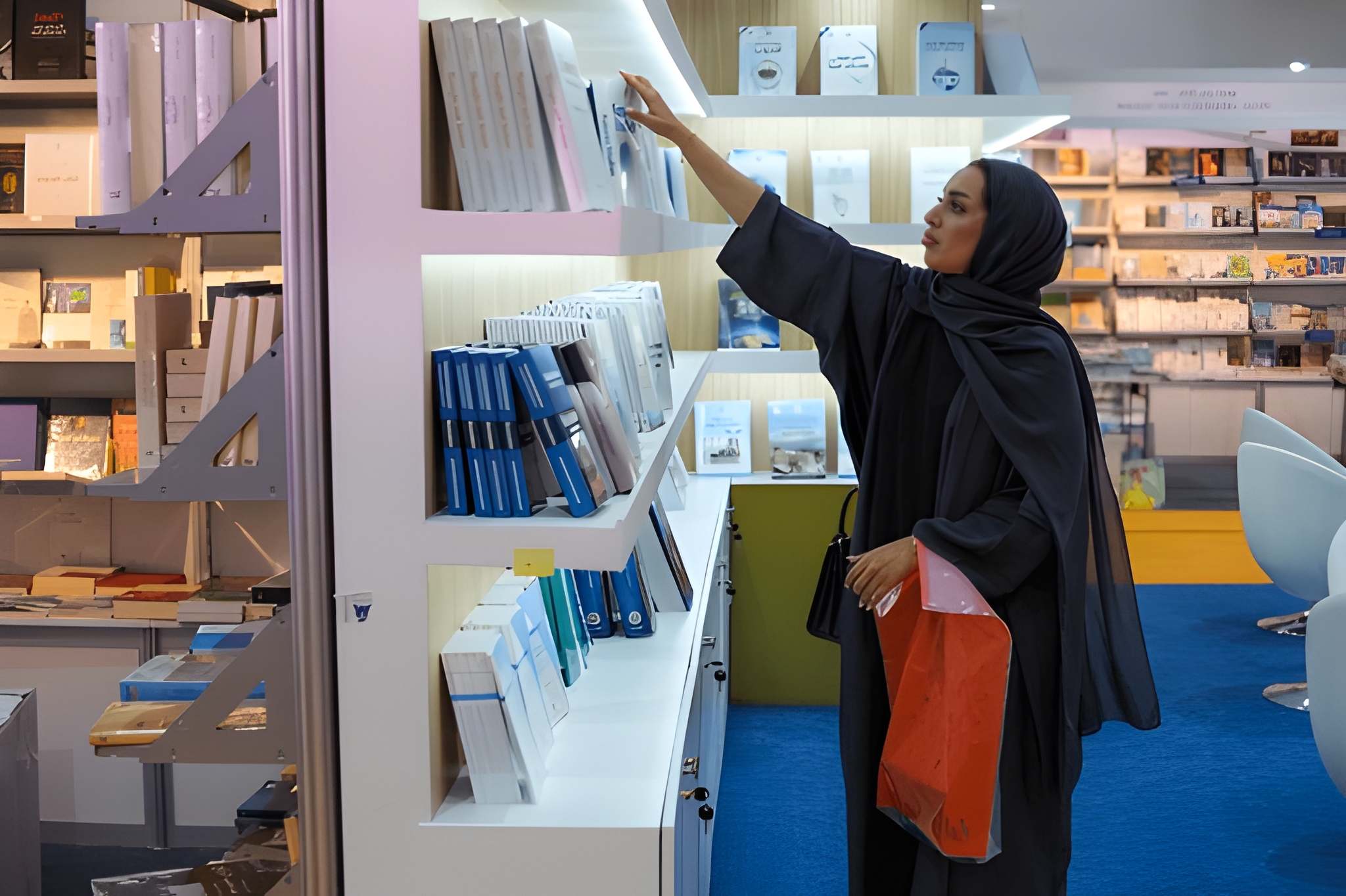
In 2026, the global Islamic publishing market is undergoing a vibrant transformation. No longer confined to traditional theology or academic legal texts, the industry is witnessing a “Muslim Creative Renaissance.” Readers are hungry for authentic representation that spans from “Halal Rom-Coms” and “Muslim Sci-Fi” to rigorous academic deconstructions of Islamic history and philosophy.
If you are a Muslim author—or an author writing with a deep, respectful understanding of Islamic themes—finding the right home for your manuscript is about more than just a contract; it’s about finding a partner who understands the spiritual and cultural weight of your words.
Here are 10 Islamic book publishers and imprints actively accepting submissions in 2026.
1. Kube Publishing (including The Islamic Foundation)
Based in the UK, Kube Publishing remains a titan in the industry. They are the primary custodians of the historic Islamic Foundation imprint. In 2026, they have refined their submission process into a streamlined digital portal, looking for “books that enrich the soul and the mind.”
-
What they want: Contemporary Islamic thought, high-quality children’s fiction, and academic trade books.
-
Submission Policy: They require an “Initial Enquiry” first (a 1-page project description and CV). Do not send a full manuscript unless invited.
-
Note: They are very strict about “British English” for their UK editions but accept North American English for co-publications.
2. Salaam Reads (Simon & Schuster)
While part of a “Big Five” house, Salaam Reads functions with the heart of an indie press. Their mission is to provide “joyful, relatable stories” about Muslim kids and teens. In 2026, they are specifically prioritizing “Muslim Joy”—stories where the conflict isn’t just about religious identity or trauma.
-
What they want: Picture books, Middle Grade (MG), and Young Adult (YA) fiction.
-
Submission Tip: They often require an agent, but they occasionally open “Pitch Dms” on social media or participate in diverse writing mentorships.
-
The Vibe: High-gloss, commercial, and incredibly diverse (looking for Black, South Asian, Southeast Asian, and Arab Muslim voices).
3. Ruqaya’s Bookshelf
Founded by author Asmaa Hussein, this publisher has become a household name for Muslim parents. They focus on high-quality picture books and chapter books that instill Islamic values through storytelling rather than lecturing.
-
What they want: Children’s fiction (Ages 3-12).
-
2026 Focus: They are looking for “relatable adventures” and stories that help children navigate modern emotions (anxiety, friendship, loss) through an Islamic lens.
-
Word Count: Typically under 1,000 words for picture books.
4. The Islamic Texts Society (ITS)
If your work is academic, philosophical, or a translation of a classical text, ITS is the gold standard. Located in Cambridge, UK, they are world-renowned for their Ghazali series.
-
What they want: Scholarly works on Sufism, Hadith, Jurisprudence, and History.
-
Submission Status: They accept proposals for high-level academic works and translations of primary sources.
-
Requirement: A highly detailed proposal including a sample chapter and a statement on the work’s contribution to existing scholarship.
5. Ta-Ha Publishers
Ta-Ha Publishers is one of the oldest independent Islamic publishers in the West. They are known for making Islamic knowledge accessible and affordable. In 2026, they are expanding their “Self-Development” and “Women & Families” categories.
-
What they want: Books on Islamic history, medicine/science in Islam, and practical guides for Muslim living.
-
Submission Tip: They have a fast evaluation period (usually 6-8 weeks). You can send unsolicited proposals via email.
6. Claritas Books
Claritas Books is dedicated to “capturing the Muslim experience” through storytelling. They sit in the sweet spot between academic and mainstream trade publishing.
-
What they want: Memoirs, biographies, and literary fiction that explores the intersection of faith and modern identity.
-
2026 Window: They are currently seeking “Narrative Nonfiction” that highlights the historical contributions of Muslims in the West.
7. White Thread Press
Founded by Mufti Abdur-Rahman ibn Yusuf Mangera, White Thread Press focuses on the “beautiful and the traditional.” They produce some of the most aesthetically pleasing Islamic books on the market today.
-
What they want: Nonfiction focusing on classical spirituality (Tasawwuf), Fiqh, and Sunnah-based living.
-
The Vibe: Scholarly yet accessible, with a strong emphasis on traditional scholarship.
8. Tughra Books
Based in New Jersey, Tughra Books serves as a bridge between the East and West. They are part of a global network that publishes in multiple languages.
-
What they want: Interfaith dialogue, Islamic art/calligraphy books, and modern perspectives on the Seerah (Life of the Prophet).
-
Submissions: They are open to authors who can write about the “universal values of Islam” in a way that appeals to both Muslims and non-Muslims.
9. Auraq Publications
A rising star based in Pakistan with a global distribution network, Auraq is perfect for authors who want a collaborative publishing experience. They are known for helping new authors “find their feet.”
-
What they want: A wide range of genres—from Urdu/English poetry to Islamic banking and children’s literature.
-
Benefit: They offer professional editing and design services and have a very transparent royalty system.
10. Medina Publishing
Medina Publishing (UK) has a storied history of publishing high-quality books on Islamic culture, heritage, and the Arabian Peninsula.
-
What they want: Travelogues, cultural history, and high-end illustrated books.
-
2026 Priority: They are looking for works that preserve the “material culture” of the Islamic world—think architecture, textiles, and craftsmanship.
The 2026 Islamic Manuscript Blueprint
Publishers in 2026 are looking for specific elements. Use the diagram below to structure your proposal effectively.
3 Tips to Get Your Islamic Manuscript Accepted
-
Define Your Audience: Is this for the “Ummah” (Muslim community), or is it a “Dawah” tool for non-Muslims? Being vague about your audience is a quick way to get a rejection.
-
Transliteration Quality: If you use Arabic terms, ensure your transliteration (e.g., ṣalāt vs salaat) is consistent. Most publishers have a “House Style Guide”—ask for it before you submit.
-
The “Third Way” Narrative: In 2026, editors are tired of “Clash of Civilizations” stories. They want the “Third Way”—stories of integration, nuanced faith, and how Islam provides solutions to modern global challenges (climate change, social justice, mental health).
Comparison of Key Publishers
| Publisher | Primary Focus | Best For | Submission Type |
| Kube | Trade & Academic | New & Pro Authors | Digital Portal |
| Salaam Reads | Commercial Fiction | YA/Children’s | Agent Preferred |
| Ta-Ha | General/Introductory | Practical Guides | Email Proposal |
| ITS | Classical Scholarship | Academics | Formal Proposal |
| Auraq | Emerging Voices | Global Reach | Open Submissions |
Frequently Asked Questions
1. What are the common “Deal-Breakers” for Islamic publishers?
While secular publishers focus primarily on marketability, Islamic houses have strict ethical and theological boundaries. Common reasons for immediate rejection include:
-
Visual Depictions: Illustrating the Prophets, Sahaba (companions), or the “Unseen” (Angels, Heaven, Hell) in children’s books.
-
Unverified Sources: Using “weak” (da’if) or fabricated Hadiths without scholarly context.
-
Theological Errors: Interpreting the Quran based on personal opinion rather than established tafsir (exegesis).
-
Cultural Inappropriateness: Promoting lifestyles or values that directly contradict Islamic jurisprudence (Fiqh) without a critical or educational lens.
2. Do I need a scholarly degree to write about Islam?
Not necessarily. While academic houses like ITS or White Thread Press require specialized training for theological works, most trade publishers (like Kube or Salaam Reads) prioritize narrative quality and research. If you are writing non-fiction without a degree, publishers often require you to have your work reviewed by a qualified scholar (Alim) before submission. For fiction, “lived experience” is often more important than a formal degree.
3. How do I handle Arabic terms and transliteration?
Consistency is more important than the specific system you choose, but most publishers prefer the Library of Congress or the International Journal of Middle East Studies (IJMES) standards.
-
Tip: Always provide a glossary for specialized terms.
-
2026 Trend: Many publishers are moving toward “Natural Transliteration” (e.g., using Makkah instead of Mecca) to reflect authentic pronunciation.
4. What is the “Muslim Joy” trend in 2026?
Publishers like Salaam Reads are actively pivoting away from “trauma-centric” narratives (stories focusing solely on Islamophobia or identity crises). In 2026, there is a massive demand for stories where Muslim characters engage in everyday adventures—solving mysteries, falling in love, or exploring space—where their faith is a natural, positive part of their background rather than the primary source of conflict.
5. Can I self-publish and then get picked up by an Islamic house?
Yes, but with a caveat. In 2026, many authors start on platforms like Shopify or Kickstarter to prove there is an audience. If your book sells 2,000+ copies independently, publishers like Kube or Auraq are much more likely to offer a “Hybrid” or “Traditional” contract to take over global distribution.
6. What should my submission “Vibe” be?
Islamic publishing is built on Adab (etiquette). Your query letter should be professional, humble, and clearly state your Niyyah (intention). Publishers want to know why this book is a service to the community.
