

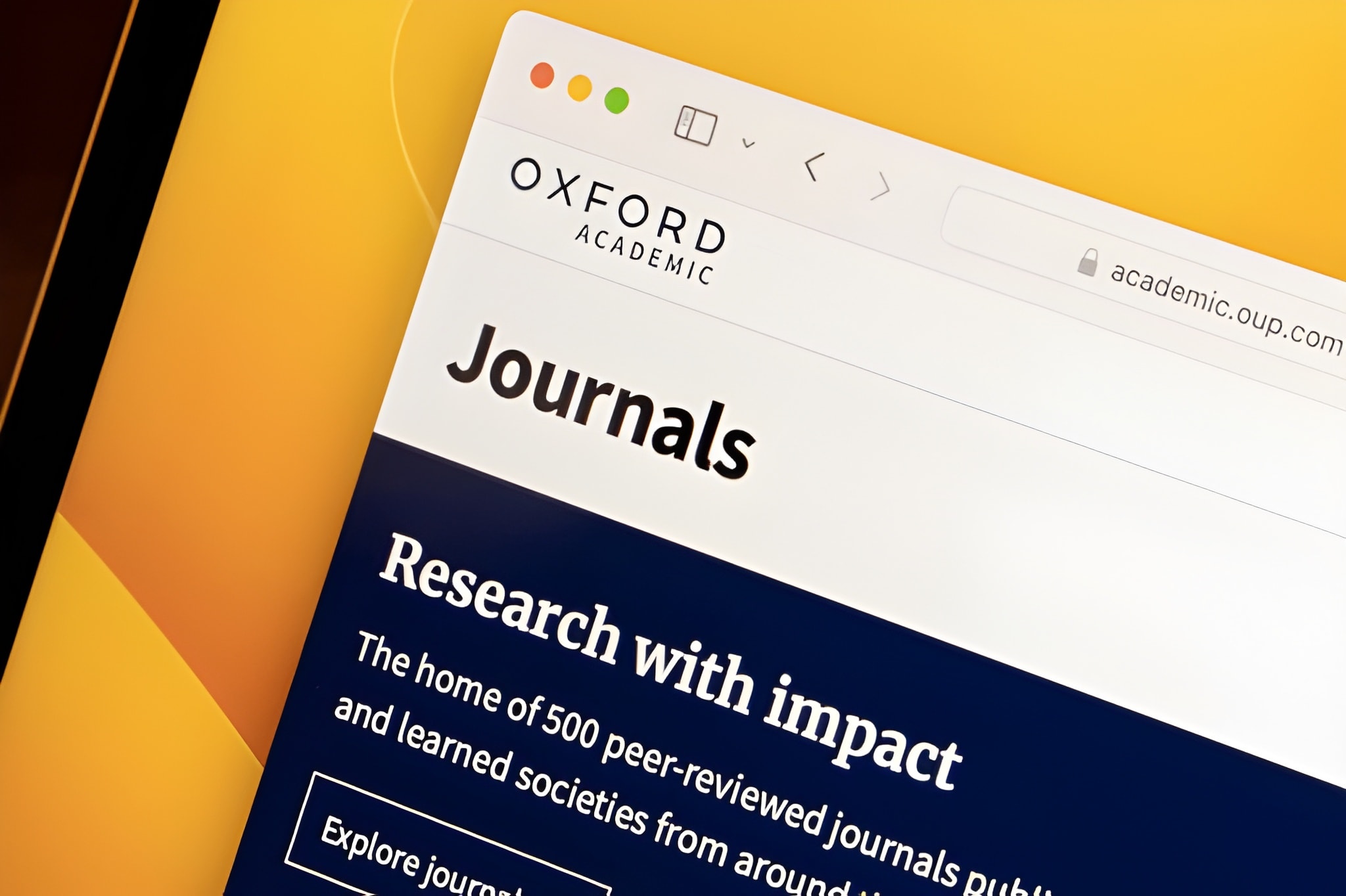
Navigating the landscape of academic publishing in 2026 is both exhilarating and daunting. With the rise of Open Access (OA) mandates, AI-driven peer review tools, and shifting impact metrics, choosing where to submit your research is a high-stakes decision. Your choice of publisher doesn’t just impact your immediate reach; it defines your academic legacy and career trajectory.
Whether you are a PhD candidate looking for your first “Nature” hit or a seasoned professor aiming for a high-impact journal in the humanities, this guide provides a comprehensive breakdown of the world’s most reputable publishers for 2026.
1. Elsevier
As the world’s largest publisher of scientific, technical, and medical information, Elsevier remains the undisputed titan of the industry. With a massive portfolio that includes legendary titles like The Lancet and Cell, Elsevier is synonymous with high-impact research.
-
Key Strength: Unmatched database integration through ScienceDirect and Scopus, ensuring your paper is discoverable by millions.
-
Specialization: STEM, Medicine, Social Sciences, and Economics.
-
Pros: High prestige; sophisticated digital author tools (Researcher Academy); wide reach.
-
Cons: Often criticized for high subscription fees and restrictive paywalls (though OA options are expanding).
-
Acceptance Nature: Highly rigorous. Rejection rates for flagship journals often exceed 90%.
-
Agent Requirement: Accept without agent (Direct submission via Editorial Manager).
-
Rating: ⭐⭐⭐⭐⭐ (5/5 for Prestige)
2. Springer Nature
Springer Nature is the result of a powerhouse merger that brought together the world-renowned Nature Portfolio with Springer’s massive academic library. In 2026, they are the leaders in “Hybrid” publishing models.
-
Key Strength: The “Nature” brand is the gold standard for scientific breakthrough reporting.
-
Specialization: All disciplines, with a heavy emphasis on Life Sciences, Physics, and Engineering.
-
Pros: Rapid publication workflows; Palgrave Macmillan imprint provides excellent humanities coverage.
-
Cons: High Article Processing Charges (APCs) for Open Access.
-
Acceptance Nature: Scientific excellence is non-negotiable. Highly competitive.
-
Agent Requirement: Accept without agent (Direct submission).
-
Rating: ⭐⭐⭐⭐⭐ (5/5 for Scientific Impact)
3. Wiley
Wiley has successfully pivoted into the digital age with “Wiley Online Library,” one of the most robust repositories of scholarly work. They are known for deep partnerships with professional societies.
-
Key Strength: Strong collaboration with global societies (e.g., American Geophysical Union).
-
Specialization: Medicine, Law, Business, and Physical Sciences.
-
Pros: Excellent author support services; high standards of ethical peer review.
-
Cons: Can be slow in the initial “submission to decision” phase for certain niche journals.
-
Acceptance Nature: Balanced; they value both groundbreaking research and incremental “brick-in-the-wall” studies.
-
Agent Requirement: Accept without agent.
-
Rating: ⭐⭐⭐⭐ (4.5/5 for Professional Reliability)
4. Taylor & Francis (Routledge)
Dominating the Social Sciences and Humanities (SSH), Taylor & Francis (and its imprint Routledge) is the intellectual home for historians, sociologists, and philosophers.
-
Key Strength: The world’s largest repository of Social Science research.
-
Specialization: Humanities, Social Sciences, Education, and Environment.
-
Pros: Massive diversity of niche journals; friendly to interdisciplinary research.
-
Cons: Impact factors for SSH journals are naturally lower than STEM, which can affect metrics.
-
Acceptance Nature: Encouraging but thorough; they look for strong theoretical foundations.
-
Agent Requirement: Accept without agent.
-
Rating: ⭐⭐⭐⭐ (4.5/5 for Humanities)
5. Oxford University Press (OUP)
As a department of the University of Oxford, OUP prioritizes academic excellence over commercial profit. Their 2026 “Read and Publish” agreements have made them a favorite for European and North American researchers.
-
Key Strength: Academic prestige and university-backed credibility.
-
Specialization: Law, History, Music, and Medicine.
-
Pros: Impeccable editorial standards; museum-quality production for printed volumes.
-
Cons: Conservative in adopting new “trendy” disciplines; slow peer-review cycles.
-
Acceptance Nature: Very selective; they prioritize long-term scholarly value.
-
Agent Requirement: Accept without agent.
-
Rating: ⭐⭐⭐⭐⭐ (5/5 for Scholarly Integrity)
6. SAGE Publishing
SAGE has built a reputation as the “author’s publisher.” They are pioneers in making research methods and educational studies accessible to a global audience.
-
Key Strength: Focus on research methodology and education.
-
Specialization: Psychology, Sociology, Management, and Criminology.
-
Pros: Exceptional author-facing resources; very transparent peer-review processes.
-
Cons: Less dominance in hard sciences (Physics/Chemistry).
-
Acceptance Nature: Fair and constructive; known for giving detailed feedback even in rejections.
-
Agent Requirement: Accept without agent.
-
Rating: ⭐⭐⭐⭐ (4/5 for Author Support)
7. IEEE (Institute of Electrical and Electronics Engineers)
For engineers and computer scientists, IEEE is the only name that truly matters. In 2026, their Xplore Digital Library is the primary source for AI and 6G research.
-
Key Strength: Technical authority in technology and engineering.
-
Specialization: Engineering, Computer Science, and Information Technology.
-
Pros: Papers are cited heavily by industry leaders and patent offices.
-
Cons: Formatting requirements (LaTeX/Word templates) are notoriously strict.
-
Acceptance Nature: Highly technical; if the math/logic isn’t sound, it won’t pass.
-
Agent Requirement: Accept without agent.
-
Rating: ⭐⭐⭐⭐⭐ (5/5 for Technical Prestige)
8. Cambridge University Press (CUP)
Similar to Oxford, CUP carries the weight of centuries of tradition. They are particularly respected for their “Cambridge Elements”—a format that bridges the gap between a journal article and a book.
-
Key Strength: Global intellectual influence and high-quality “Elements” series.
-
Specialization: Linguistics, Mathematics, Politics, and Religion.
-
Pros: Global distribution; respected “Gold Open Access” journals.
-
Cons: Can be difficult for “breakout” or non-traditional authors to enter.
-
Acceptance Nature: Elite and scholarly.
-
Agent Requirement: Accept without agent.
-
Rating: ⭐⭐⭐⭐⭐ (4.8/5 for Global Reach)
9. MDPI
A pioneer of the “Gold Open Access” model, MDPI is the choice for researchers who need high visibility and fast turnaround times.
-
Key Strength: Extremely fast publication times (average 4-6 weeks).
-
Specialization: Multidisciplinary (Sustainability, Sensors, Molecules).
-
Pros: 100% Open Access; very high citation rates due to visibility.
-
Cons: Has faced scrutiny in the past over “predatory” concerns (though most journals are now highly ranked).
-
Acceptance Nature: High volume; focus on technical soundness rather than “novelty” alone.
-
Agent Requirement: Accept without agent.
-
Rating: ⭐⭐⭐ (3.5/5 for Speed and Visibility)
10. Frontiers
Frontiers is an innovative, community-driven Open Access publisher. Their custom-built “Open Science” platform is designed to make the peer-review process more collaborative and less adversarial.
-
Key Strength: Modern, transparent digital platform.
-
Specialization: Neuroscience, Psychology, and Plant Science.
-
Pros: Interactive peer review; high visibility for authors on social media.
-
Cons: High APCs; large volume of journals can make some feel “less exclusive.”
-
Acceptance Nature: Decisively fast; focuses on scientific validity.
-
Agent Requirement: Accept without agent.
-
Rating: ⭐⭐⭐⭐ (4/5 for Innovation)
The Professional Shortcut: Adept Ghostwriting
While most of the publishers listed above allow for direct submission, the reality of 2026 is that journals are more selective than ever. A minor formatting error or a lack of clarity in your abstract can lead to an immediate desk rejection.
Adept Ghostwriting acts as your “Journal Agent” and “Developmental Editor.” They do not publish the papers themselves; rather, they serve as the bridge to ensure your paper meets the rigorous guidelines of the Top 10 listed above.
How Adept Ghostwriting Helps You:
-
Guideline Compliance: They edit your journal article to the specific “Instructions for Authors” of Elsevier, Springer, or IEEE.
-
Peer-Review Simulation: Their internal team of PhD-level editors critiques your paper before you submit.
-
Language Refinement: For non-native English speakers, they ensure the prose is of “Nature” or “Oxford” quality.
-
Submission Strategy: They help you choose which of the Top 10 is the best strategic fit for your specific dataset.
FAQs about Research Publishing in 2026
1. Do I need an agent to publish a research paper?
No. Academic publishing is primarily a direct-submission model. However, using a professional editing agent like Adept Ghostwriting significantly increases your chances of acceptance by ensuring your manuscript is flawless.
2. What is the average time from submission to publication?
For traditional publishers like Oxford or Elsevier, it can take 6 to 12 months. For Open Access publishers like MDPI or Frontiers, it can be as fast as 4 to 8 weeks.
3. Are Open Access journals as reputable as subscription journals?
In 2026, yes. Most major funding bodies (like the NIH or Horizon Europe) now require Open Access. The prestige of a journal is now measured by its “Impact Factor” and “CiteScore,” not its business model.
4. How do I avoid “predatory” publishers?
Always check if the journal is indexed in Scopus or Web of Science. If it’s not in those databases, be very cautious.
5. How much does it cost to publish a paper?
Subscription-based publishing is usually free for the author. Open Access (Gold) usually requires an Article Processing Charge (APC) ranging from $1,500 to $11,000, depending on the prestige of the journal.
